Building Stronger Care Teams with Community Health Representatives
In Tribal communities across Arizona, Community Health Representatives (CHRs) are essential to how care works by improving communication, strengthening care teams, and helping patients navigate complex systems.
Since 2017, the Center for Community Health and Engaged Research (CHER) collaborated with Tribal nations, healthcare organizations, and community leaders to strengthen and expand the Community Health Worker (CHW) workforce across the state. This work is led by Associate Director Samantha Sabo and senior researcher Louisa O’Meara, with a focus on integration, sustainability, and leadership within health systems.
Advancing CHR Integration on National Stages
Supporting the integration of CHRs into care teams was a central focus throughout 2025. CHER and its partners shared practical tools and strategies with Tribal health leaders at national conferences and workshops.
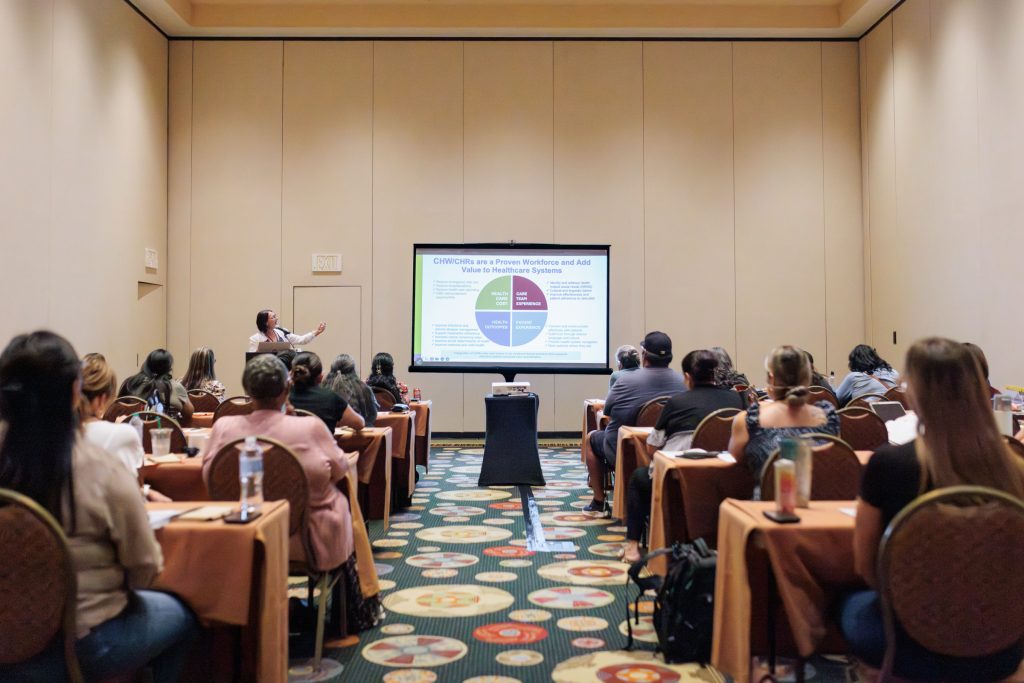
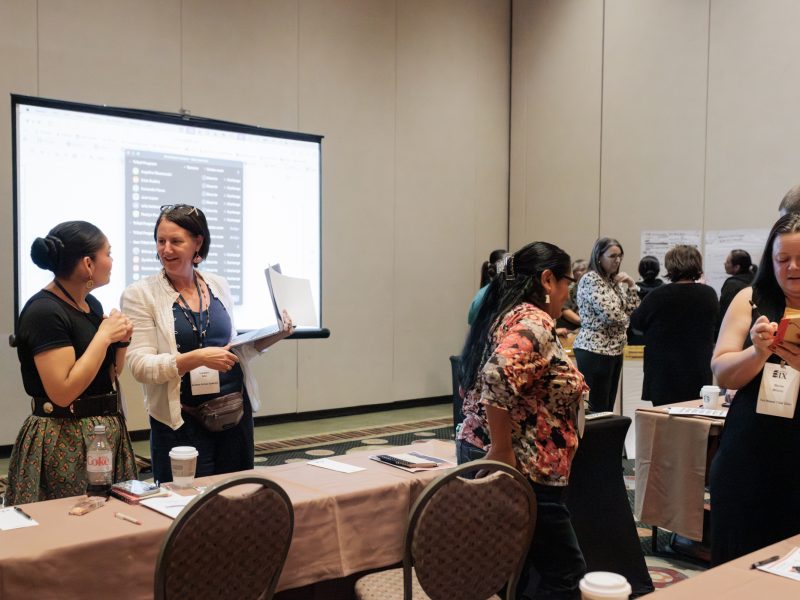
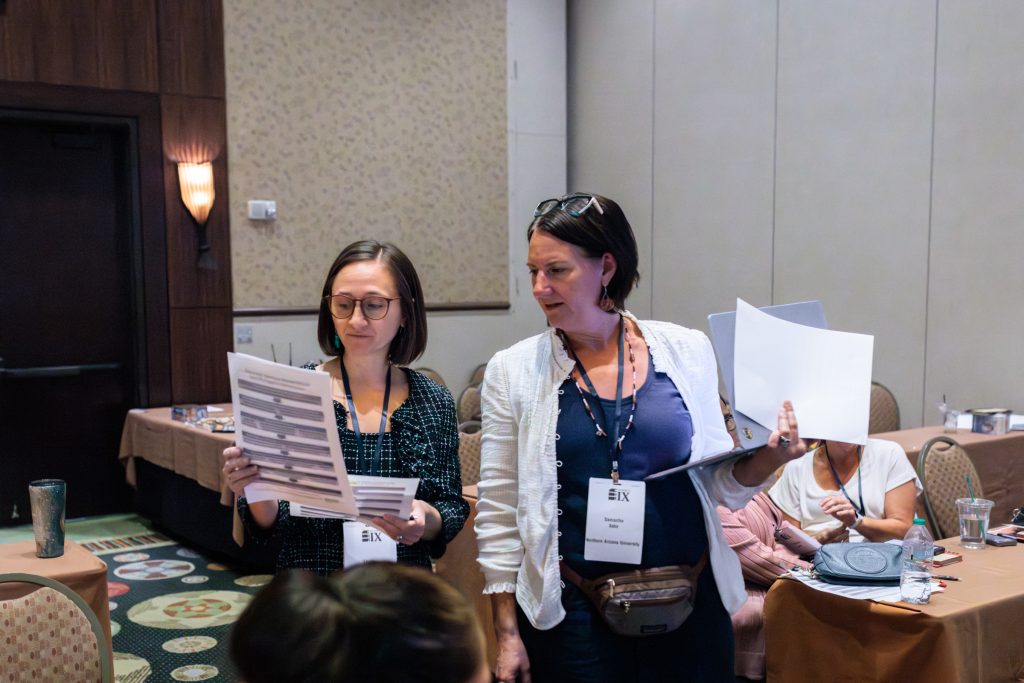
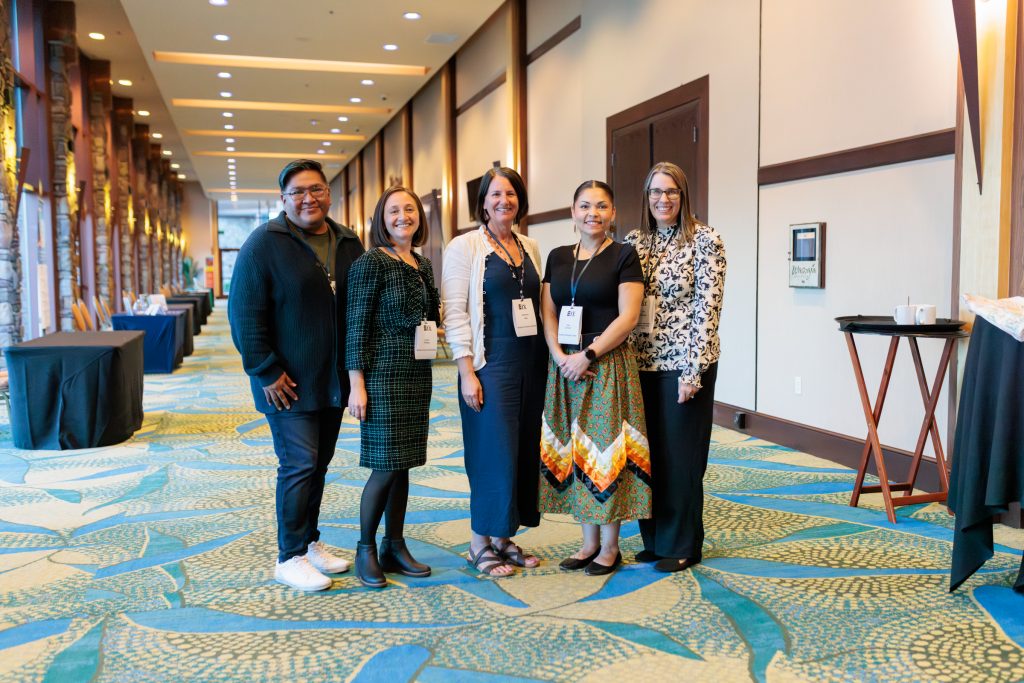
In May, O’Meara and Sabo joined CHR leaders Brook Bender (Hualapai Tribe) and Amanda Whitesinger (Gila River Health Care) at the IHS National Clinical and Community Services Summit in Seattle. They led a two-part interactive session for nearly 75 participants, focused on how to build more coordinated and collaborative care teams.
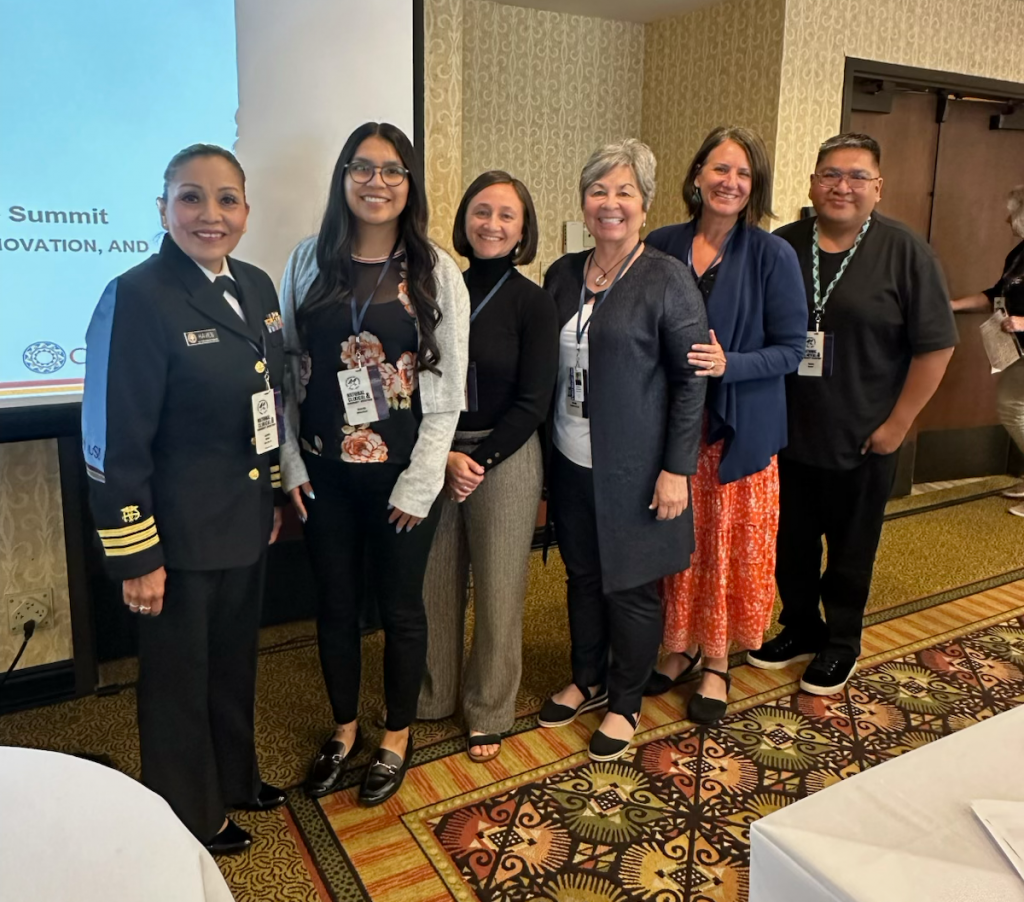
Building on this momentum, the team was invited to present at the 2025 National Indian Health Board, Tribal Health Conference in September. Their session highlighted a critical strategy for improving care delivery in Tribal communities: embedding CHRs as members of care coordination teams.
At each conference, the primary focus was a newly released resource, “CHR Integration – Building Teams Together: A 5-Step Guide to Integrate CHRs into Care Coordination.” Developed by O’Meara and Sabo in partnership with Bender, Whitesinger, and many other clinical Tribal healthcare experts across Arizona, the toolkit offers a practical framework for integrating CHRs into care teams as an evidence based and Medicaid and Medicare reimbursable strategy to improve patient health outcomes and lower healthcare costs. Presenters guided participants through the model and led activities and discussions on how it could be applied in their own settings.
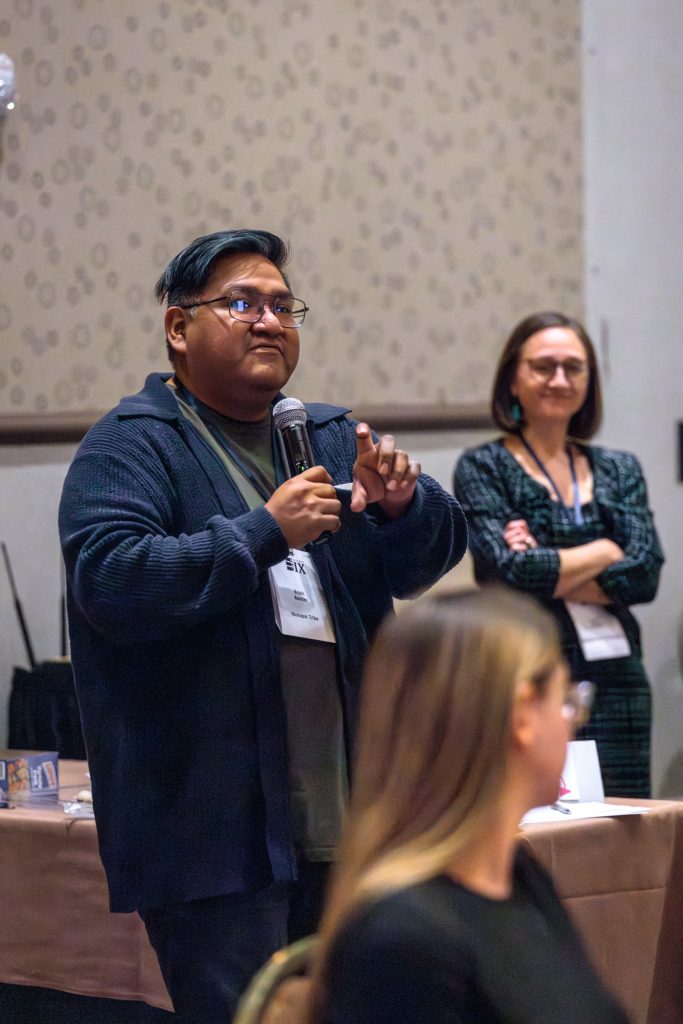
For more than 50 years, CHRs have been a cornerstone of Tribal health systems, serving as trusted leaders who bridge culture, community, and care. Across both sessions, participants engaged with strong evidence demonstrating that CHR integration drives meaningful improvements in patient experience, population health, and care coordination.
Building Practical Pathways for Sustainability
CHER also focused on strengthening long-term sustainability for CHW and CHR programs, particularly through Medicaid and Medicare reimbursement.
In October, O’Meara and Sabo in collaboration with the Arizona Advisory Council on Indian Healthcare and the CHR Movement members, partnered with CHER’s Arizona Biomedical Research Centre team to host a half-day workshop on Medicaid billing for CHRs.
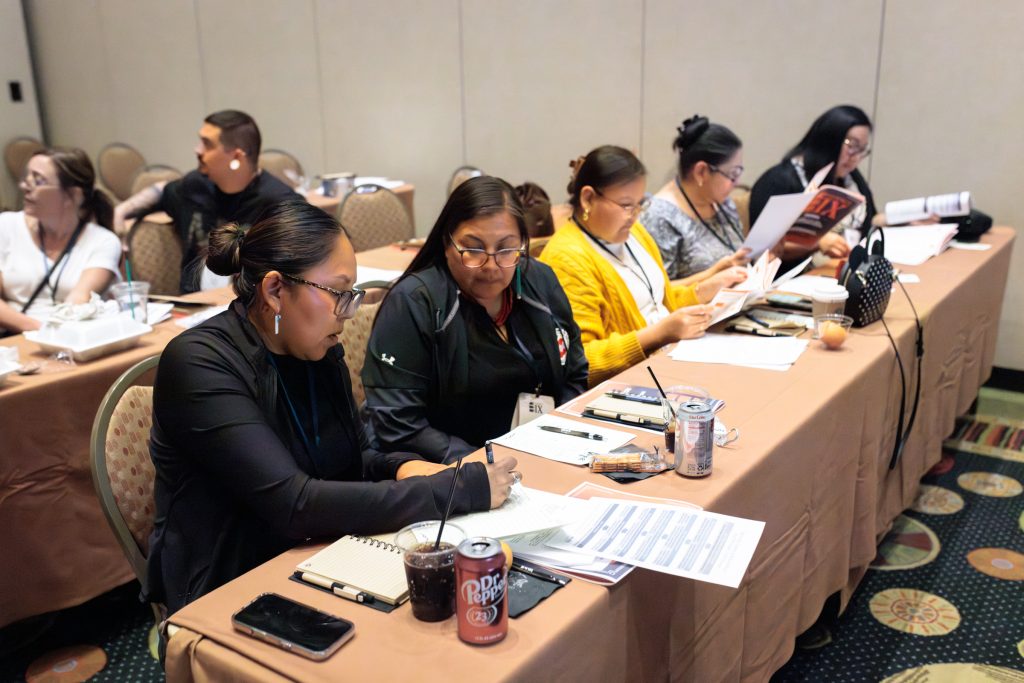
The workshop brought together Tribal CHR/CHW programs, public health professionals, and clinical leaders from all 22 Arizona tribes including tribal partners from California, Oregon and Washington to review billing requirements, estimate reimbursement potential, and begin planning for implementation.
Although CHR programs are well established, reimbursement through the Centers for Medicare and Medicaid Services is only just taking off. To support this work, CHER co-lead the session with tribal leaders with direct experience implementing CHR billing in Tribal settings.
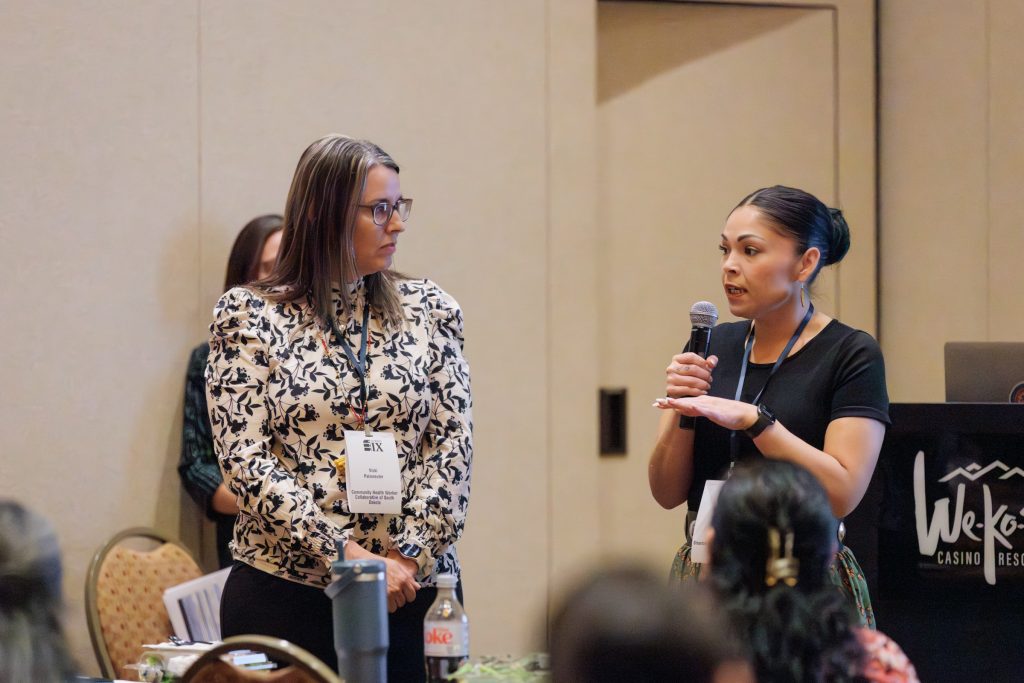
Elisa Johnson (Sisseton-Wahpeton Oyate Tribal Health Department) and Vicki Palmreuter (Community Health Worker Collaborative of South Dakota) shared lessons learned from South Dakota, where billing processes are more established.
Carrie Dewangyumptewa (Hopi Tribal Health Department) provided additional local perspective on reimbursement calculations, application steps, and strategies for engaging Tribal leadership.
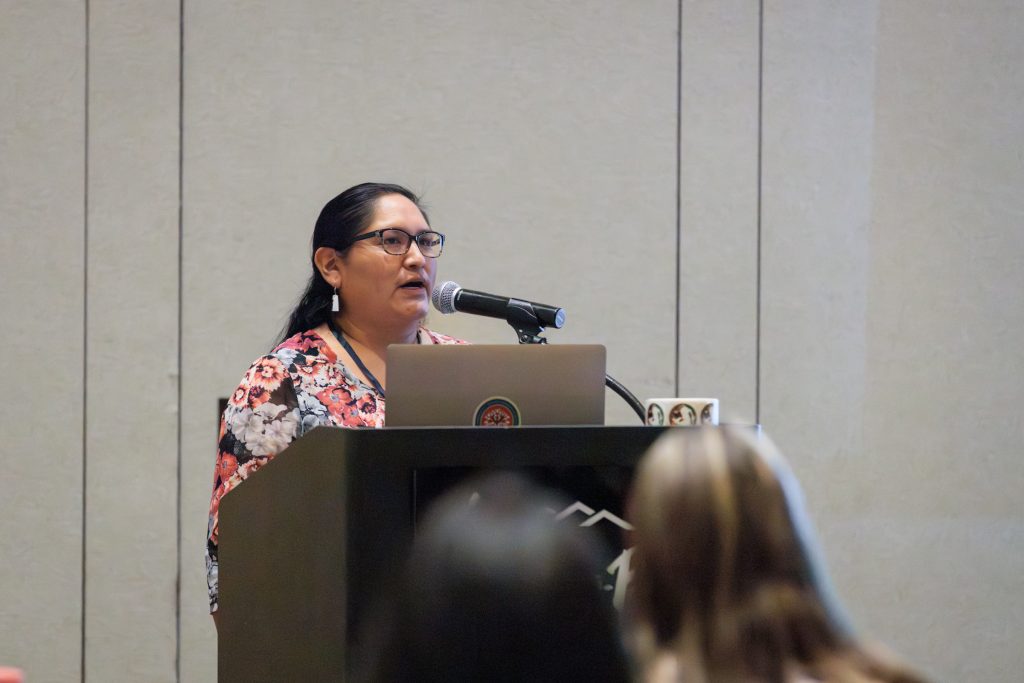
Together, these sessions helped clarify what is involved in moving CHR billing efforts forward in unique Tribal, Indian Health Service, and Urban Indian Health Centers of Arizona.
The workshop also served as a lead-in to the annual CHR Summit, which brings together 200+ Tribal CHRs, public health leaders, and clinical partners. At the Summit, CHER Research Coordinator DeeDee James presented alongside the C-NACHE My Health My Choice research team, sharing updates on work related to self- and community-advocacy in health and healthcare. By design, CHER’s research focus areas often overlap, intertwine, and build on each other to advance community health research in Arizona.
Strengthening Partnerships and Systems of Care
These efforts reflect a broader shift in how CHRs are positioned within health systems. CHRs are increasingly recognized as core members of care teams, contributing to communication, coordination, and patient engagement.
This work builds on longstanding partnerships, including the CDC-funded CHRs Within Tribal Health Systems or CHRs WITH uS! initiative (2021–2025), which has supported workforce sustainability and expanded the role of CHRs in integrated care models.
In response to priorities identified by CHRs through CHRs WITH us!, the NAU team, in partnership with the Cancer Centers of Northern Arizona Healthcare and alongside key Tribal and regional cancer experts and partners- including CHR programs, patient navigators, and cancer support services- launched Connected Care, an innovative, community-driven initiative to strengthen cancer care coordination for Native American patients receiving radiation therapy across Northern Arizona and the Colorado Plateau. Funded by the American Cancer Society and Pfizer, the project brings together healthcare systems, Tribal and Urban Indian health programs, and community partners to improve access, continuity, and patient-centered care.
At its core, Connected Care centers an Indigenous oncology patient navigator embedded within the radiation oncology care team, who leads the development of trusted relationships with local CHRs. Through this work, the navigator helps create a strong, culturally grounded safety net of warm handoffs between clinic and community, strengthening care coordination during and after radiation therapy.
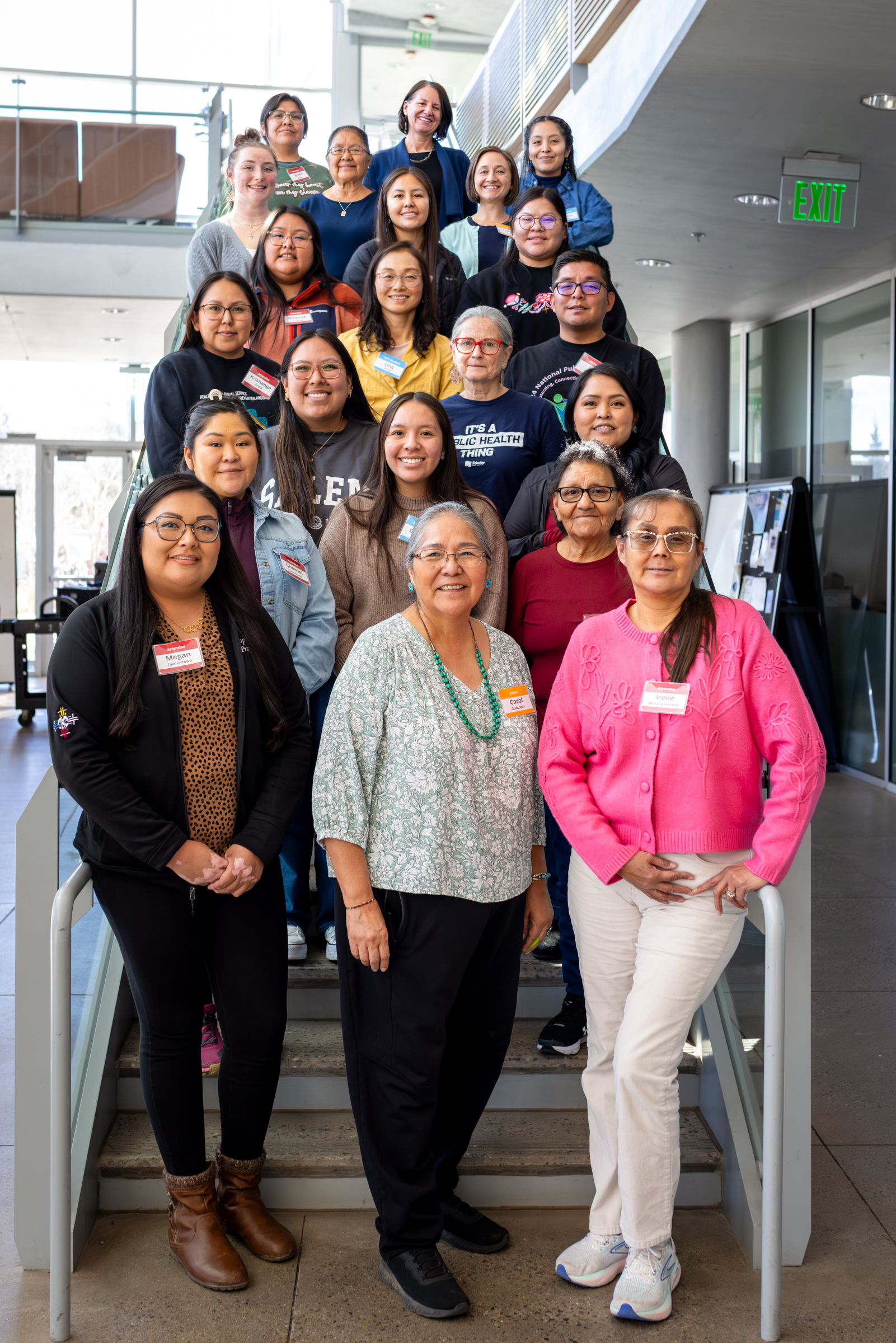
To kick off the project- and in the spirit of reciprocity and relational learning – NAU CHER coordinated resources from Connected Care, the Partnership for Native American Cancer Prevention (NACP), and the Center for Native American Cancer Equity (C-NACHE) to support 20 CHRs representing six Tribes in training and certification as oncology patient navigators, further strengthening collective capacity for cancer care coordination.
Looking Ahead
CHER’s work in 2025 highlights the importance of continued investment in the CHR workforce. Efforts to support integration, expand reimbursement pathways, and strengthen CHR leadership are all part of building care systems that are more coordinated and better aligned with community needs.
To access Community Health Representative Integration Toolkits, please visit: https://legacy.nau.edu/center-community-health-engaged-research/chr-integration-toolkits/
To get involved or learn more, please reach out to louisa.omeara@nau.edu.
Back to CHER Spring 2026 Newsletter 📰