
Website Feedback Form
Institute for Human Development
Changing the way you experience the world
Access | Attitude | Inclusion
Our Work:
- Impacts people at all life stages – individually and socially
- Facilitates research and programming to inform change that positively impacts individuals with disabilities
Vision: People with disabilities fully participate in all life experiences.
Mission: Promote full inclusion by advancing attitudes that value persons with disabilities while enhancing access to all aspects of the human experience.
IHD fosters the development of attitudes that promote the increased inclusion of individuals with disabilities in their communities. Attitudes, as barriers to or facilitators of inclusion, go hand-in-hand with access. Access, commonly thought of as access to services and supports, has a much broader meaning: while services are essential for inclusion, access also refers to access to information, education, inclusive physical environments, community participation, friendships, and relationships. Conceptually, access and attitude have reciprocal roles in promoting or inhibiting inclusion.
Senator Tom Harkin
Explore our degrees
Upcoming Events
Amplifying Voices of Disability
February 2026
- Virtual Day of Learning
- Of the moment disability topics
- Powerful lineup of activists and self-advocates
- More information on the Amplifying Voices webpage
IHD Evidence for Success Disability Conference
Tues/Wed June 23-24
- Monday 6/22 preconference workshops
- Wild Horse Pass Resort, Chandler, AZ
- More information on the IHDConference.org
News and Articles of Interest
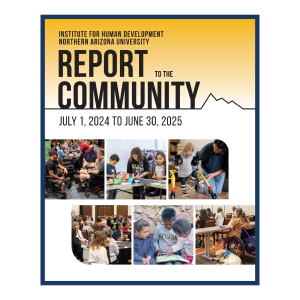
The Institute for Human Development (IHD) recently published its 2024–25 Report to the Community, highlighting a year of growth, innovation, and collaboration in advancing inclusion for people with disabilities across Arizona and beyond. The report showcases achievements in community service, interdisciplinary education, research, and dissemination. It also reflects IHD’s continued commitment to empowering individuals through assistive technology, culturally responsive early intervention, and inclusive postsecondary education.
Click to read IHD’s 2024-2025 Report to the Community annual report.
New Grant Expands Inclusive College and Career Opportunities: Introducing SCALE
The Institute for Human Development (IHD) at Northern Arizona University is proud to announce the launch of Supporting College Access, Learning, and Employment (SCALE), a newly funded, five-year initiative supported by a $500,000 U.S. Department of Education grant. The program, based in Flagstaff, Arizona, builds on the success of the earlier Supporting Inclusive Practices in Colleges (SIP-C) project and represents a major step forward in creating inclusive, sustainable pathways for students with intellectual disabilities (ID) to succeed in college and beyond.
SCALE’s mission is to empower individuals with ID to participate and thrive in higher education. Working closely with college campuses and community partners across Arizona, SCALE provides person-centered, student-led supports that promote academic success, self-determination, and meaningful employment after graduation. The program’s long-term goal is to develop a sustainable statewide model for inclusive postsecondary transition.
New Bridge Brief: The Growing in Beauty Partnership Program

The Institute for Human Development is pleased to announce the publication of a new Bridge Brief, The Growing in Beauty Partnership Program (GIBPP): Supporting Children with Disabilities in the Navajo Nation.
Now in its 25th year, IHD’s GIBPP is a model of culturally responsive, community-based early intervention. This brief highlights how the program, developed through a formal partnership between the Navajo Nation and the Arizona Early Intervention Program, supports children and families through locally led, culturally grounded, and flexible service delivery.
Readers will find insights on collaborative healthcare partnerships, reflective practice, and the key lessons learned from more than two decades of experience providing early intervention services across the Navajo Nation.
The publication offers valuable guidance for professionals serving Indigenous, rural, and underserved communities.
New Grant Awards
Empowering Parents with Disabilities Through Home Visiting
Parenting is a fundamental human experience and a recognized right for individuals with disabilities. However, many parents with disabilities continue to encounter societal, legal, and institutional barriers to exercising this right. Building on the earlier Providing Accessible Training and Home Support (PATHS) for Parents with Intellectual Disabilities project, which was funded by the Arizona Developmental Disabilities Planning Counciland focused on improving home visiting supports for parents with disabilities, the new Empowering Parents project expands this work to a national scale. With funding from the Home Visiting Applied Research Collaborative (HARC) at Johns Hopkins University, IHD researchers are examining the factors that influence home visitors’ professional judgment, beliefs, and confidence in supporting parents with intellectual disabilities. Findings from this study will inform recommendations for more inclusive and effective home visiting practices and training. For more information, contact Dr. Ronda Jenson (ronda.jenson@nau.edu).
Supporting College Access, Learning, and Employment (SCALE)
Building on the success of the Supporting Inclusive Practices in Colleges (SIP-C) project, SCALE provides students with intellectual disabilities across Arizona with multiple pathways to college and career readiness, including dual enrollment, career exploration, and direct entry into college or trade programs. The program, funded by the U.S. Department of Education, emphasizes student-led supports, self-determination, and meaningful employment after graduation. Learn more about SCALE here.
Online Privacy and Safety (OPS) Project
The Arizona Developmental Disabilities Planning Council (ADDPC) has approved IHD’s renewal application for the OPS project, funding the program at $72,124 for the period of July 1, 2025 – June 30, 2026. The project’s goal is to help individuals with intellectual and developmental disabilities, their families, and professionals use the internet safely, confidently, and responsibly. In Year 2, IHD will expand OPS by developing self-paced trainings on the Canvas learning platform, creating content tailored to different age groups (5–13, 14–17, and 18+), and conducting tests to ensure accessibility and clarity. The team will also finalize the full curriculum for public release and collaborate with Arizona organizations to gather feedback and host community trainings. Learn more about OPS here.
Assistive Technology – Building Readiness, Inclusion, and Direction for Goals in Education (AT BRIDGE)
IHD has received a grant from the Arizona Developmental Disabilities Planning Council (ADDPC) for the AT BRIDGE project, a one-year initiative to improve postsecondary outcomes for Arizona students with intellectual and developmental disabilities (I/DD) through the strategic use of assistive technology (AT). Partnering with high schools in Coconino and Yavapai Counties, with outreach to tribal and rural communities, the project will provide individualized AT assessments, training, and coaching to help students in Grades 11 and 12 transition successfully to college or vocational programs. Building on the success of the Advancing Assistive Technology for Learning and Accessibility in Higher Education for Students with I/DD (ATLAS) project, which recently concluded, AT BRIDGE will also engage former participants as AT ambassadors to mentor peers and strengthen engagement. By collaborating closely with educators and families, the project seeks to build sustainable systems that promote access, independence, and achievement for students with I/DD.
Interdisciplinary Developmental Evaluation Clinic
The Interdisciplinary Developmental Evaluation Clinic (IDEC) at IHD extends its sincere gratitude to Mercy Care for awarding a generous Mercy C.A.R.E.S. Community Reinvestment Grant. This support will help reduce barriers for families seeking comprehensive interdisciplinary evaluations for their children. Through this funding, IDEC will be able to provide financial assistance for families traveling long distances to access services and launch mobile evaluation clinics to reach children in their home communities, particularly in rural areas of northern Arizona. The grant also enables IDEC to host provider trainings across the region and engage a Navajo cultural consultant, ensuring evaluations and supports are culturally responsive to the needs of Navajo families. Learn more about the clinic here.
IHD Celebrates Disability Pride and Heritage Month
Each October, Disability Pride and Heritage Month honors the history, culture, and achievements of people with disabilities while promoting inclusion, access, and advocacy. The Institute for Human Development (IHD) joined the celebration with a month-long series of events that highlighted disability culture, accessibility in education, and the ongoing pursuit of equity across campus and the community.
October 4
Northern Arizona Disability Resource Fair Expands in Second Year
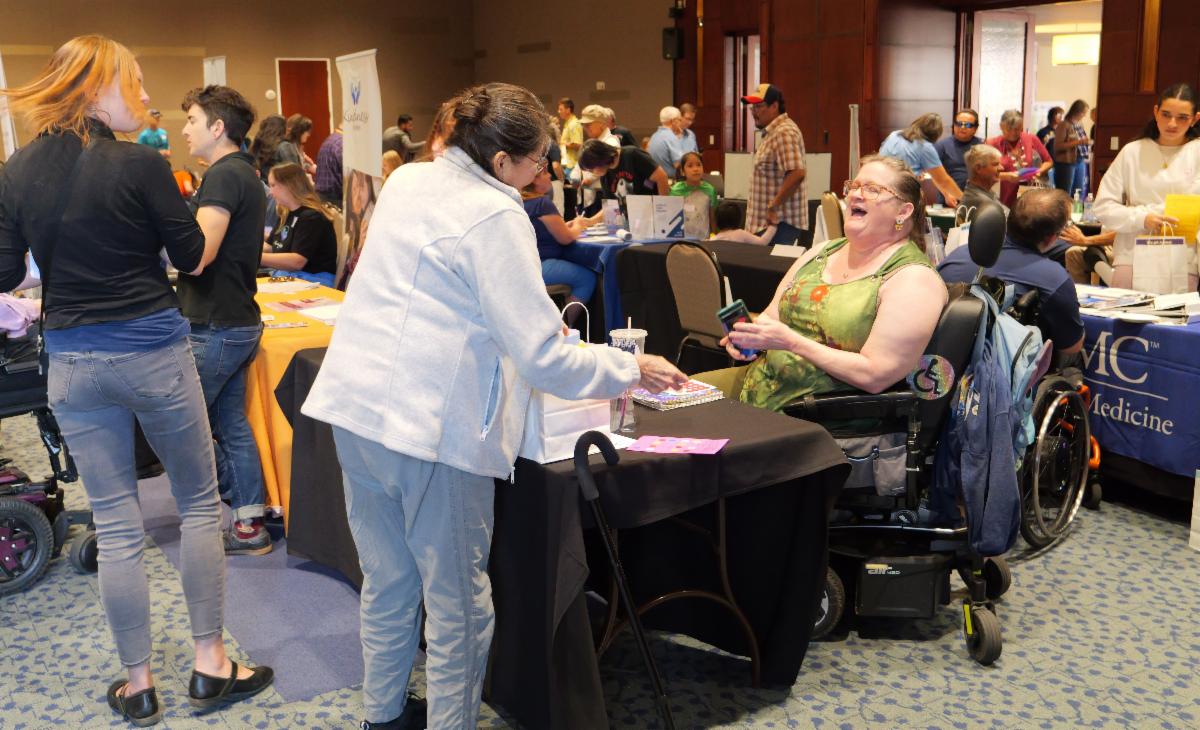 The second annual Northern Arizona Disability Resource Fair was held on Saturday, October 4, 2025, at the High Country Conference Center in Flagstaff. Hosted by IHD and Care 4 the Caregivers, the event continued to build on its growing reputation as a vital regional hub for disability-related resources, community connection, and inclusion. This year’s fair drew over 200 participants, a 21.8% increase from 2024’s inaugural event.
Read more about the Resource Fair.
October 15
4th Annual Not-Inspiration Pørn Disability Film Festival
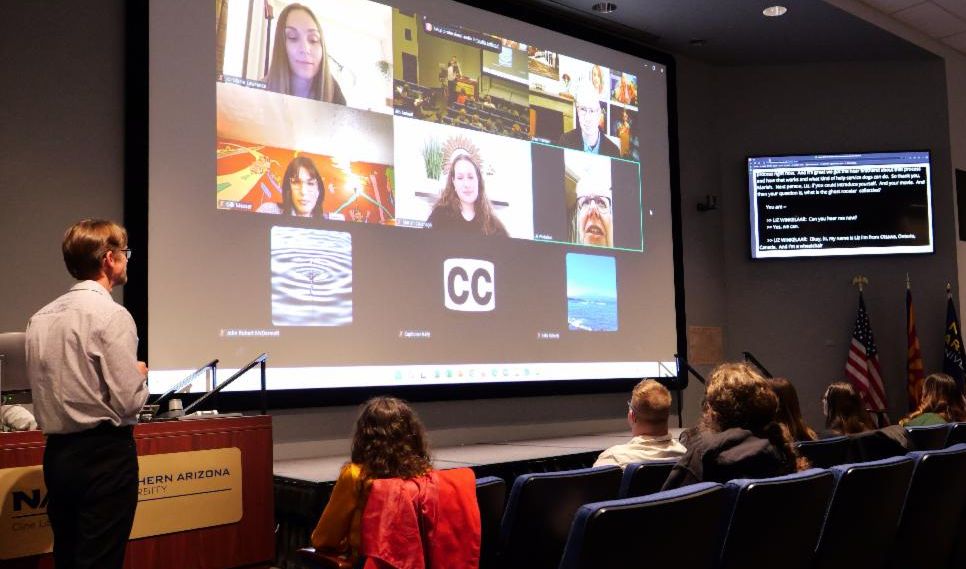
Students, faculty, staff, and community members gathered on October 15 for the 4th Annual Not-Inspiration Pørn Disability Film Festival.
This year’s festival featured A Day of Disability Studies at NAU, produced by the Disability Studies program, along with a student film by Mariah Cavanagh, Spring 2025 Outstanding Graduating Senior in Disability Studies. The festival also screened the short film Picturing Inclusivity, which follows an Irish autistic artist who creates art to find calm in busy public spaces. Other films explored topics such as high school experiences, the impact of misdiagnoses, and institutional barriers.
A virtual panel discussion followed the screenings, featuring filmmakers from Ireland, Canada, North Dakota, and California. Presenters included disability studies instructors John Schaffer and Justice Armfield, along with students from Club ADA and IHD’s Minor in Disability Studies program.
Watch “A Day of Disability Studies at NAU.”
October 28
Conversations About Disability
The Senior Seminar for Disability Studies Minors (DIS 498) was livestreamed in collaboration with faculty and students from King’s College in London, Ontario. Dr. Jeff Preston, Dr. Billie Anderson, Juan Escobar-Lamanna, and John Schaffer facilitated a discussion exploring disability themes in monster and horror films, accessibility in video games, and contemporary representations of disability in media.
October 30
Grand Opening of NAU’s First Sensory Room
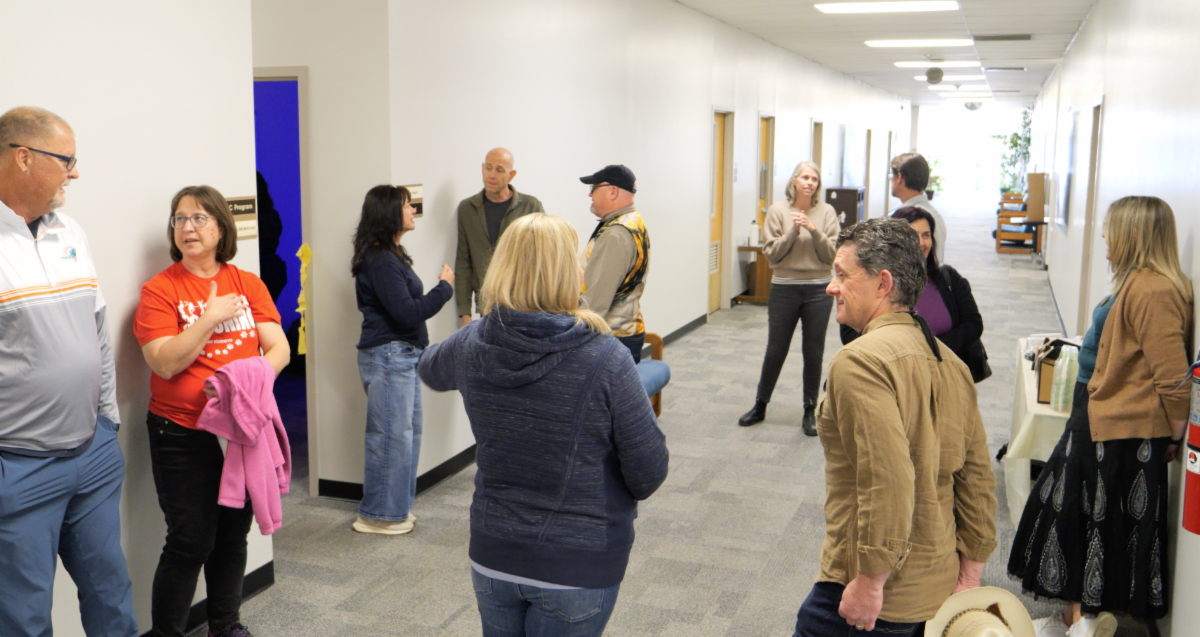 IHD celebrated the grand opening of NAU’s first sensory room. This project, years in the making, was made possible through dedicated funding and support from faculty and staff. Deans, directors, and other members of the campus community joined the celebration. IHD hopes the sensory room will serve as a valuable resource for the NAU community and a model for future sensory spaces across campus.
Read more about the sensory room in the NAU Review.
Click here to see past editions of the Institute for Human Development’s News and Updates
Parents, family members, or professionals in the field, do you need information on an AAC Evaluation? Go to the NAU AAC Evaluation Page for program and contact information.

Institute for Human Development PSA
AUCD: Growing Leaders, Driving Change
This website is supported by the Administration for Community Living (ACL), U.S. Department of Health and Human Services (HHS) as part of a financial assistance award totaling $673,700 with 100 percent funding by ACL/HHS. The contents are those of the author(s) and do not necessarily represent the official views of, nor an endorsement by, ACL/HHS or the U.S. Government.