IHD invites you to join us for the 3rd annual:
A VIRTUAL Day of Learning
focused on timely, hot-button issues presented by
disability activists & self-advocates!
February 26, 2026
Price $99
9:30 am – 3:45 pm
(Arizona Time)
Up to 5 Continuing Education (CE) Credit Hours
Of-the-moment disability topics
- Journey to Successful Adulthood: Personal story which provides practical strategies on how technology, family & educator support can fuel success
- Disability-Inclusive Technologies: Working to ensure that emerging technologies (like gen AI) fulfill their promise of improving lives for everyone
- Neurodiversity: Exploring the neurodiversity movement in a session led by a neurodivergent SLP who works with neurodivergent communicators
- Disability and Mental Health: Practical tools for more thoughtful, inclusive interactions from a mental health professional with disabilities
Powerful lineup of activists and self-advocates
- Elizabeth Freund, a neurodivergent SLP who is passionate about reshaping attitudes and understanding of neurodivergent identities
- José Rosario, therapist and researcher who uses a wheelchair and is known for his advocacy work on mental health for minoritized groups
- Joshua Dieker, advocate for individuals with disabilities, sharing his personal journey of navigating life as a person with invisible disabilities
- Lawrence Weru, researcher, disability-inclusive technologies advocate, and digital storyteller who identifies as a person who stutters
- Lisa Dieker, PhD, recognized leader in special education, teacher preparation, and technology integration – also Joshua Dieker’s mother
All sessions will be virtual, using the Zoom platform. Upon registration and payment, links will be sent to attendees.
Northern Arizona University CE certificates will automatically be emailed to participants. Participants will receive separate CE certificates for each complete session they attend.
Program Details
9:30 am – 10:45 am: Navigating Life with Tech, Heart, and Community: A Person with a Disability Success Story Accordion Closed
Presenters: Josh and Lisa Dieker
Session Description: This session explores how individuals with disabilities can thrive when technology, family, educators, and personal passion intersect. Through the lived experiences of Joshua Dieker and his mother, Lisa Dieker, participants will gain insight into practical strategies and real-world examples of navigating challenges and celebrating successes. Josh will share his experience through school and as a collegiate All-American gymnast. The presentation will highlight tools, mindsets, and collaborative approaches that empower independence, foster resilience, and create inclusive opportunities. Attendees will leave with actionable ideas to support students, families, and professionals in leveraging technology and relationships to build meaningful, successful lives.
Key Learning Outcomes
- Identify at least three technology tools or strategies that support independence and success for individuals with disabilities.
- Explain how to amplify the role of family and educator partnership in fostering resilience and achievement.
- Apply practical approaches to integrate passion and personalized supports into educational and life planning.
11:00 am – 12:15 pm: Opportunities & Challenges for Disability-Inclusivity in Emerging Technologies Accordion Closed
Presenter: Lawrence Weru
Session Description: Emerging technologies (such as generative AI, spatial computing and mixed reality, programmable biology, autonomous transportation, and more) have captured imaginations and enabled new realities. People are leveraging emerging technologies to reshape education, work, and communication. Will we harness them to enhance accessibility, agency, and social inclusion for people with disabilities, or reinforce existing inequalities? Through storytelling and an intersectional lens, Lawrence Weru explores the crucial roles we play in ensuring technologies fulfill their promise of improving lives for everyone.
Key Learning Outcomes
- Examine how people and institutions can apply emerging technologies such as generative AI, spatial computing, mixed reality, programmable biology, and autonomous transportation to reshape education, work, communication, and access for disabled communities.
- Identify the human decisions, design choices, and governance practices that determine whether these technologies expand accessibility, agency, and social inclusion, or reinforce existing inequities.
- Learn practical strategies for influencing how teams, vendors, public agencies, and community organizations adopt and integrate emerging technologies so that disability inclusion becomes a default rather than an afterthought.
1:00 pm – 2:15 pm: Embracing Neurodiversity: Shifting Perspectives and Practice Accordion Closed
Presenter: Elizabeth Freund
Session Description: What is the Neurodiversity movement and what does it mean for you? Join an AuDHD SLP to discuss the positive impact of embracing the neurodiversity paradigm in both her professional practice and personal experience. Attendees will have the opportunity to explore the relevance of the movement to their own lives and roles as well as identify opportunities to implement these ideas in their day to day. Whether you are new to the movement or looking to better understand, this session invites you to bring your curiosity and consider how embracing the neurodiversity paradigm can make a difference for you and the people you support!
Key Learning Outcomes
- Participants will identify and define key aspects of the neurodiversity paradigm.
- Participants will explore the impact of the neurodiversity paradigm on their daily lives and practice.
- Participants will incorporate learned knowledge in order to support beneficial changes to their own roles and lives.
2:30 pm – 3:45 pm: Rising Beyond Limits Accordion Closed
Presenter: José Rosario
Session Description: In this presentation, José Rosario will share personal stories of navigating identity, disability, and belonging across educational and professional settings. He encourages audiences to reflect on how their own experiences shape how they connect, lead, and support others – especially in workplaces and communities striving for authentic connection.
Grounded in lived experience and professional insight, this session will open the door for honest conversations about compassion, accommodation, and collective growth.
Key Learning Outcomes
- A deeper understanding of how identity and life experience shape how we move through the world.
- Practical tools for more thoughtful, inclusive interactions—especially around disability and mental health.
- Encouragement to reflect on our own assumptions and how we can lead with empathy and openness.
Click Here to Register
Presenter Bios
Elizabeth Freund Accordion Closed
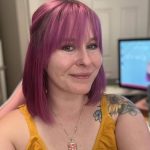
Elizabeth Freund (she/her) is a neurodivergent SLP who has been working with neurodivergent communicators in both home and clinic settings for over 10 years. Elizabeth is passionate about providing identity-affirming care for all communicators, and reshaping professional attitudes toward and understanding of neurodivergent identities. She currently owns her own speech therapy business, supporting neurodivergent clients in home and community settings.
José Rosario Accordion Closed
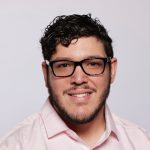
José Rosario is the Founder and Executive Director of The Phoenix Empowered, a nonprofit that helps organizations and communities develop person-centered, culturally-informed mental health protocols for all through workshops, trainings, and consultation.
Born to young Puerto Rican parents, José developed Cerebral Palsy as a premature baby, and their fight for equality of care for him deeply impacted his understanding of mental health access and equality. Currently nearing his PhD in Clinical Psychology, his research focuses on cultural trauma in intersectional communities. He is an Interdisciplinary Minority Fellow for the American Psychological Association, member of the Congressional Diversity and Equality Advisory Board for Congressman James Langevin, and member of the Rhode Island Attorney General Community Advisory Board. He has been honored with the Chris Martin Humanitarian Award and the Victoria Lederberg Award for Excellence in Psychology.
Joshua Dieker Accordion Closed
 Joshua Dieker is an advocate for individuals with disabilities, sharing his personal journey of navigating life with Tourette syndrome, dyslexia, and dysgraphia. He brings a unique perspective on how technology, family, and educator support have shaped his success. Joshua inspires audiences with his resilience and commitment to living a full, empowered life.
Lawrence “Larry” Weru Accordion Closed
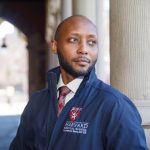 Lawrence “Larry” Weru began raising awareness about the need for developing disability-inclusive technologies after his own experiences with inaccessibility. As a Secretariat IT Accessibility Officer for the Commonwealth of Massachusetts, he works with multiple cabinet-level state agencies to integrate digital accessibility into how government builds and deploys technology. Forbes, Disability Rights Florida, and the Harvard Gazette have featured his advocacy work on Artificial Intelligence (AI) and accessibility. He has led research to improve the keyboard accessibility of web-based tools and lectured on digital accessibility for the Harvard Pre-College Program. He has authored and co-authored health stories in Vox, Slate Magazine, Toronto Star, Orlando Sentinel, and other national and regional outlets. During his time as a Dean’s Scholar at Harvard Medical School, he explored how the inaccessible web impacts the health of people with disabilities. He identifies as a person who stutters and currently serves on the board of Harvard Alumni Disability Alliance (HADA).
Lisa Dieker Accordion Closed
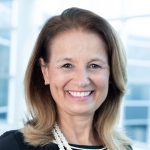
Lisa Dieker is a Distinguished Professor and internationally recognized leader in special education, teacher preparation, and technology integration. She has authored numerous publications and presented globally on supporting students with disabilities through innovative practices. Her work focuses on bridging research and practice to empower educators and families.
Need Help?
For registration or payment questions, contact IHDConference@nau.edu